Transilience and the Operating System Race in Cloud Security
Transilience is the fourth cloud security vendor in nine months to claim the words operating system. The race to own the noun is the real story.
By Tal Eliyahu · · 9 min read
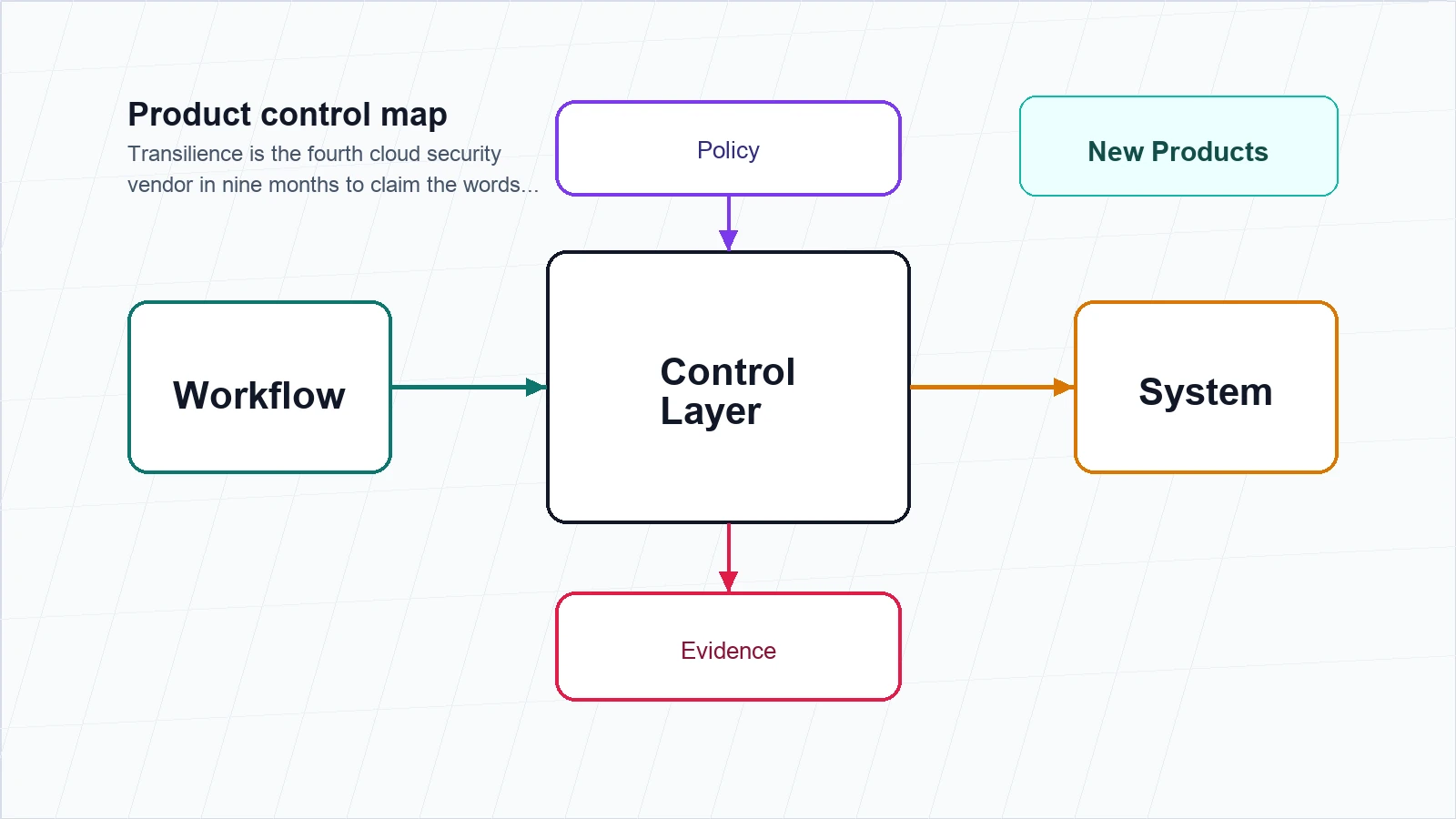
The most interesting thing about Transilience's new product is the noun.
On May 7, 2026, Transilience AI launched what it calls a Full Stack Security Operating System for cloud — a platform spanning detection, response, compliance, penetration testing, and threat exposure management, with AI agents owning the data and knowledge layers and humans owning the wisdom and judgment layers. The architecture is real. The framing is interesting. But what makes the launch worth reading closely is that Transilience is now the fourth cloud security vendor in nine months to reach for the words *operating system*.
This is not coincidence. The race to own that noun is the story of cloud security in 2026.
Transilience joins the operating system race
Transilience pitches the product as a single platform that closes the gap between cloud detection and actual remediation. The pitch is not rip-and-replace; the company integrates with existing CSPM, CNAPP, CWPP, and CTEM tooling rather than asking customers to migrate. The architecture is a layered agentic stack the company calls Data to Knowledge to Wisdom to Judgment — AI agents collect, correlate, and interpret cloud telemetry; humans approve the remediation steps and accept the risk of the action.
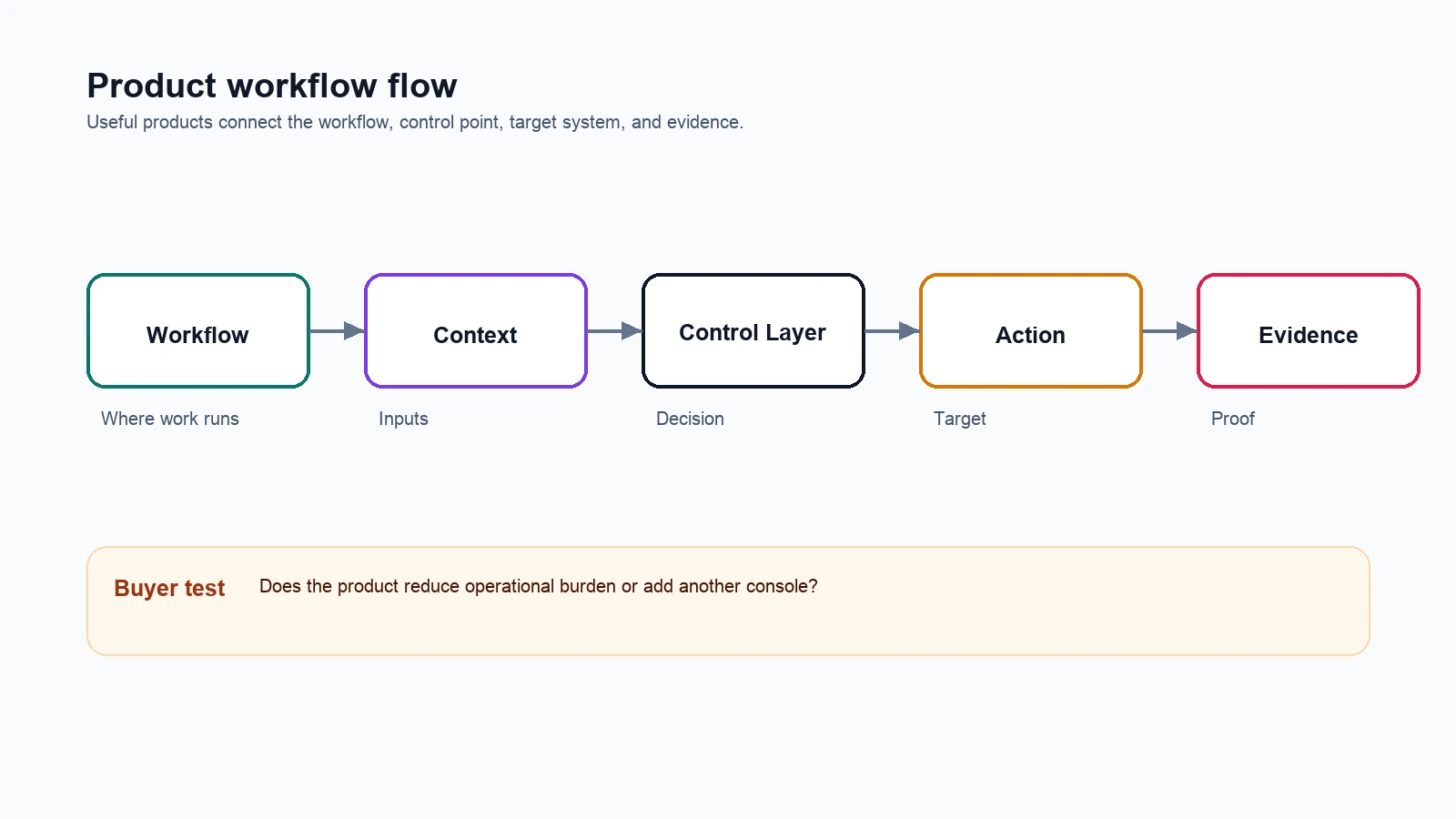
The go-to-market is a closed-loop posture in days, not quarters, on top of the tooling customers already own. That is the right pitch for the moment. CSPM and CNAPP have spent five years generating findings; nobody has built the durable answer to closing them. Transilience's claim is that the gap closes from the remediation side.
Which is also, broadly, what CrowdStrike says when it positions Falcon as an operating system. And what Wiz implies when it talks about its cloud platform. And what several agentic SOC vendors imply when they describe their roadmaps. The noun is being passed around like a passport.
The noun is doing real work
Why *operating system*? Why now? The framing is not arbitrary. It is doing real work for the vendor that picks it up.
Calling something an operating system signals three things to enterprise buyers. The product is foundational, not additive — customers should consolidate workflow inside the platform rather than treating it as another tool in a sprawl. The vendor is committing for the long term — an operating system implies customers will build on top of it for years, not swap it out next renewal cycle. And the comparable set is different — operating system businesses get higher multiples than point-product businesses, both in private valuations and in M&A.
For a category that has been defined by tool sprawl, alert fatigue, and procurement exhaustion, *operating system* is not a marketing word. It is a structural promise. The vendor making the promise is asking the buyer to think about the next ten years, not the next renewal.
Whether any specific product behaves like an operating system is a separate question. The framing has become the default narrative for selling autonomous cloud security to enterprise risk teams that are otherwise nervous about handing remediation authority to AI. We've heard it before. We're going to hear it more.
The remediation layer is a new procurement category, not a CNAPP refresh
The cloud security category has spent the past five years compounding three problems on top of each other. Cloud Security Posture Management (CSPM) generates findings. Cloud-Native Application Protection Platforms (CNAPP) consolidate findings. Cloud Workload Protection Platforms (CWPP) add runtime context. Continuous Threat Exposure Management (CTEM) prioritizes findings.
None of those layers actually closes findings. They route them to humans, who close them slowly and incompletely. That is the gap Transilience and a handful of competitors are positioned at — one layer above the existing stack — taking the findings the existing platforms generate, deciding what to do, and executing the fix in coordination with a human approver.
That is what makes this an agentic remediation product, not a CNAPP refresh. The agentic remediation layer is a new procurement category. It did not exist as a budget line in 2024. By 2027, expect it to be a recognized category with three to five well-funded leaders. The platform that owns the layer above CNAPP at the point that category solidifies is going to be priced very differently from the platforms that own the layers underneath.
Who Transilience overlaps with
On the detection side, Transilience overlaps with Wiz, Orca, Palo Alto Networks Prisma Cloud, and CrowdStrike Falcon Cloud Security. On the agentic SOC side, it competes with Dropzone AI, Prophet Security, and Torq's hyperautomation. Its remediation orientation pressures legacy SOAR products from Splunk and Tines, plus CTEM specialists like XM Cyber.
None of these vendors are direct one-to-one substitutes. This is what early-category dynamics look like. Multiple incumbents from adjacent categories will all claim the new framing — operating system, agentic remediation, autonomous cloud security — and the procurement question for buyers will be whether to lift category framing from the vendor with the strongest narrative or the vendor with the strongest evidence.
Most early procurement decisions will be made on framing. Most renewals two years later will be made on evidence.
Buyers should evaluate the operating model, not the framing
The practical implication for security architects is that 2026 is a year to evaluate platforms on a different question. The old question was which CNAPP or CSPM vendor has the best detection coverage. The new question is which platform actually closes findings, and what the operating model for the AI making those decisions looks like.
Three things worth pressing on hard when evaluating Transilience or any of its peers.
The first is what the human-in-the-loop actually looks like. The promised division of labor — *AI owns data, humans own judgment* — is meaningful only if the platform makes the judgment surface easy to use at scale. Demo flows do not count as evidence; ask to see the workflow under real customer load.
The second is integration depth with the tools already in production. Rip-and-replace is rare in cloud security. Vendors that integrate cleanly with Wiz, Prisma Cloud, and Falcon will land faster than vendors that require migration. Ask which findings the platform reads, which it writes back to, and which it acts on autonomously.
The third is the audit trail when an AI agent takes a remediation action. Compliance reviewers and risk teams will ask. If the platform cannot produce a clean audit trail per action — which agent decided, on what evidence, with which approval, and what was changed — it is not enterprise-ready. Treat this as a gating evaluation criterion, not a checkbox.
Framing is now table stakes for cloud security founders
For founders building in the agentic cloud security category, three implications follow from this launch.
Framing is now table stakes. If you do not have a clear story about where your product sits in the agentic stack, customers will lump you in with the previous generation of cloud security tooling and value you accordingly. Pick a framing that signals where the category is going, not where it came from. *Operating system* is one option. The category will tolerate a few framings. It will not tolerate the absence of one.
Integration breadth matters more than feature breadth. The customers buying agentic cloud security platforms in 2026 already have CNAPP, CSPM, and SIEM in production. Your product needs to read those tools' findings and act on them, not replace them. Investment in integration depth will outperform investment in another detection feature.
Compliance posture is product, not paperwork. The gating question on agentic remediation in regulated industries is whether the AI's decision and action can be audited cleanly. Companies that treat this as a compliance afterthought will lose enterprise deals to companies that treat it as a core product surface.
The boundaries between CNAPP, SOAR, and CTEM are dissolving
One thing to watch over the next twelve to eighteen months. As agentic cloud security platforms expand into incident response and remediation, they are crossing into agentic SOC territory. The boundary between cloud security operations and broader security operations is dissolving — not slowly, but visibly.
Expect category lines between CNAPP, SOAR, and CTEM to be redrawn entirely around the agentic platforms that swallow each. Transilience's product, and a handful of competitors launching in the same window, is one early version of that consolidated future. The early platforms will not all survive. Two or three will, and they will be priced like operating systems — not because they chose the framing, but because they earned it.
The signals that decide which framings earn their keep
Three signals over the next two quarters will tell us which operating system claims become operating systems and which fade back to product naming.
The first is named enterprise reference accounts. The first agentic cloud security platforms to publish multiple named enterprise reference customers with measurable remediation outcomes — alerts closed, dwell time reduced, compliance burden offloaded — will set the pace for the rest of the category. Vendors that lean on case studies of unnamed Fortune 500 customers are not yet shipping at scale.
The second is CISO budget realignment. When CISOs start cutting CSPM or SOAR budgets to fund agentic remediation platforms, the category has crossed from emerging to established. Watch for that line item to appear in 2026 H2 budget cycles. If it does not, the operating system framing is not yet earning its keep.
The third is M&A pricing. Public security platforms are likely to acquire one or more agentic cloud security companies in the next twelve months. The first deal will set comparable pricing and tell us whether platforms are paying for the capability or for the framing. The Astrix and Portkey deals priced primitives in the AI-agent stack at $400M and a reported $700M respectively. The first agentic cloud security M&A will price the same question for the cloud stack.
Operating systems get built, not branded. The companies that prove the framing — by behavior, not by name — will own the next decade of cloud security. Everyone else will be running it.
Frequently asked questions
- What is an AI security operating system?
- It is a vendor framing for an agentic security platform that owns end-to-end workflow rather than acting as a single point tool. The framing implies foundational positioning, long-term commitment, and an expectation that customers consolidate workflow inside the platform. Whether any specific product behaves like an operating system in practice is a separate evaluation question — and the right one for buyers to be asking.
- How is Transilience AI different from CNAPP and CSPM platforms?
- CNAPP and CSPM products generate and prioritize findings. They route those findings to human teams who close them slowly and partially. Transilience and similar agentic platforms sit one layer above — they take the findings existing platforms generate, decide what to do, and execute the fix in coordination with a human approver. That puts them in a new category, agentic remediation, rather than a refresh of CNAPP. The category did not exist as a budget line in 2024; it will be a recognized procurement category by 2027.
- What should a cloud security buyer evaluate when looking at agentic remediation platforms?
- Three things matter most. First, the human-in-the-loop experience: how usable is the judgment surface at scale, not just in a demo. Second, integration depth with existing CNAPP, CSPM, and SIEM stacks — rip-and-replace is rare in cloud security, and vendors that read findings from tools customers already own land faster. Third, the audit trail: can compliance reviewers reconstruct which agent decided, on what evidence, and with which approval, for any given action. Treat the audit trail as a gating evaluation criterion, not a checkbox.
- How does the agentic cloud security category overlap with agentic SOC?
- Significantly, and the overlap is widening. As agentic cloud security platforms expand into incident response and remediation, they are encroaching on agentic SOC territory. Expect category lines between CNAPP, SOAR, and CTEM to be redrawn within twelve to eighteen months around whichever agentic platforms swallow the workflow most cleanly. The early platforms will not all survive. Two or three will.
Related on CyberBiz
- Cybersecurity market map — Where cloud security and agentic SOC sit at the intersection of multiple categories.
- Newsroom — Live cybersecurity market feed: product launches, M&A, and funding rounds.
- Cisco's Astrix acquisition analysis — Companion piece on the M&A side of agentic cybersecurity — same architecture, different layer.
- Public cybersecurity companies — The public security vendors most likely to acquire in the agentic cloud security category.
Sources
- Help Net Security: Transilience launches Full Stack Security OS — Help Net Security
- Transilience AI launch press release (Business Wire via Morningstar) — Business Wire
- Transilience AI vendor site — Transilience AI
Topics
AI Security, Governance and Assurance · Incident Detection and Response · Governance, Risk, and Compliance
Written by
Tal Eliyahu
Editor at CyberBiz, covering cybersecurity vendors, M&A, and platform shifts.